
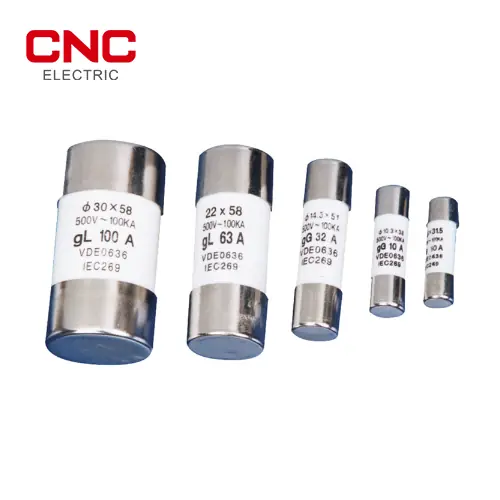
Protect your electrical circuits from overcurrent, short circuits, and electrical faults with high-quality AC & DC Fuses from cncelectric.pk. Our fuses are designed for residential, commercial, industrial, and renewable energy applications, providing reliable circuit protection for both AC and DC systems.
What are AC & DC Fuses?
Fuses are safety devices that interrupt the flow of current when it exceeds safe levels, preventing damage to wires, appliances, and electrical equipment. AC fuses are used for alternating current circuits, while DC fuses are designed for direct current circuits, such as solar systems, battery banks, and DC panels.
Key Features of CNC AC & DC Fuses:
Overcurrent Protection: Protects circuits from excessive current and prevents equipment damage.
Short-Circuit Safety: Quickly disconnects faulty circuits to avoid fire hazards and electrical accidents.
Durable & Reliable: Made with premium materials for long-lasting performance and safety.
Wide Range of Ratings: Supports multiple voltage and amperage levels for different applications.
Easy Replacement: Standardized sizes for quick and hassle-free installation.
Versatile Applications: Suitable for residential homes, offices, factories, solar systems, DC panels, and industrial setups.
Benefits of Using CNC AC & DC Fuses:
Ensures maximum protection for electrical circuits and devices.
Prevents equipment damage and downtime due to overcurrent or short circuits.
Enhances safety for personnel and property in homes, offices, and industrial sites.
Compatible with modern AC and DC electrical systems, solar setups, and backup power solutions.
Available at competitive AC & DC fuse prices in Pakistan with high-quality assurance.
With CNC AC & DC Fuses, you get trusted, durable, and efficient protection for all your electrical systems, ensuring safety, reliability, and uninterrupted power for every application.
Frequently Asked Questions (FAQs)
What is a fuse?
A fuse is a protective electrical device designed to prevent damage to circuits and components by breaking the connection when an overcurrent occurs. It consists of a metal wire or strip that melts when the current exceeds a safe level.
How do fuses work?
Fuses work by allowing normal current to pass through them. When the current exceeds the rated value, the heat generated by the excessive current melts the fuse element, causing the fuse to open the circuit and stop the flow of electricity. This helps prevent damage to electrical devices and wiring from overheating.
What types of fuses are there?
AC Fuses: Used in alternating current (AC) circuits. They are designed to handle voltage fluctuations and work efficiently in homes, businesses, and industrial environments.
DC Fuses: Used in direct current (DC) circuits. They are typically used in solar power systems, batteries, and electric vehicles, where the current flows in one direction only.
What is the difference between AC and DC fuses?
AC Fuses are designed to handle the reverse current flow that occurs in AC circuits. They typically use a lower melting point material for quicker response to current surges.
DC Fuses are designed for circuits where the current flows in one direction. They have a higher melting point material and are built to handle higher voltages and are more resistant to arcing.
When should I use AC fuses and when should I use DC fuses?
Use AC fuses in household appliances, lighting, HVAC systems, and any other circuits operating on alternating current.
Use DC fuses in applications like solar power systems, electric vehicles, and battery-operated systems, where the current flows in one direction.
What are the common ratings for fuses?
Fuses come with different current ratings, typically ranging from 0.5 A to 1000 A, depending on the application. The voltage ratings may also vary based on whether the fuse is used in AC or DC circuits, commonly ranging from 250 V to 1000 V for AC and 32 V to 1500 V for DC circuits.
How do I select the correct fuse for my application?
To select the correct fuse, consider the following:
Current Rating: Choose a fuse with a current rating slightly higher than the normal operating current of the circuit.
Voltage Rating: Ensure the fuse can handle the operating voltage of your system.
Type of Fuse: Select either an AC or DC fuse based on the circuit type.
Response Time: Depending on your need, choose between slow-blow fuses (for equipment that might experience inrush currents) and fast-acting fuses (for precise protection against sudden overcurrents).
Can I replace a fuse with a higher-rated fuse?
No. Replacing a fuse with one of a higher rating can result in an unsafe condition, as it may not protect the circuit effectively. Always use the fuse with the correct current and voltage ratings as recommended by the manufacturer.
What happens if I use a fuse with a lower rating than required?
Using a fuse with a lower rating than necessary can cause it to blow unnecessarily, even during normal operation, leading to frequent interruptions. Always ensure the fuse rating aligns with the circuit’s requirements.
What is the lifespan of a fuse?
Fuses do not have a fixed lifespan. However, they may need to be replaced if they blow due to an overcurrent or short circuit. The frequency of fuse replacement depends on the number of times it blows and the type of circuit it protects.
Are there different types of fuse materials?
Yes, fuses can be made from various materials:
Ceramic Fuses: Commonly used in high-voltage applications due to their ability to withstand heat.
Glass Fuses: Typically used in low-voltage applications and for their visibility (you can see if they’ve blown).
Plastic Fuses: Used in various consumer electronics and appliances due to their lower cost and versatility.
What are the common standards for fuses?
Fuses must comply with international standards such as:
IEC 60269: International standard for low-voltage fuses.
UL 248: Standard for fuses used in the United States.
BS 1362: Standard for fuses used in the United Kingdom.
How can I replace a fuse?
To replace a fuse:
Turn off the power to the circuit.
Remove the blown fuse.
Insert a new fuse of the same rating and type.
Restore power and check the circuit for normal operation.
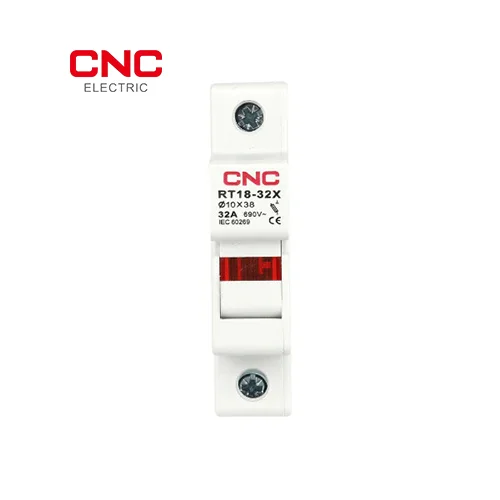
AC Fuse 2A-30A 220V | Circuit Protection
In stock
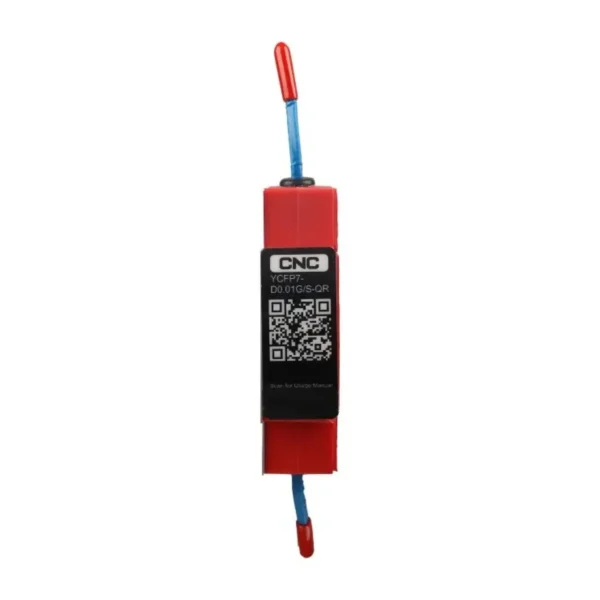
Aerosol Fire Extinguisher | DB & Switchgear
In stock
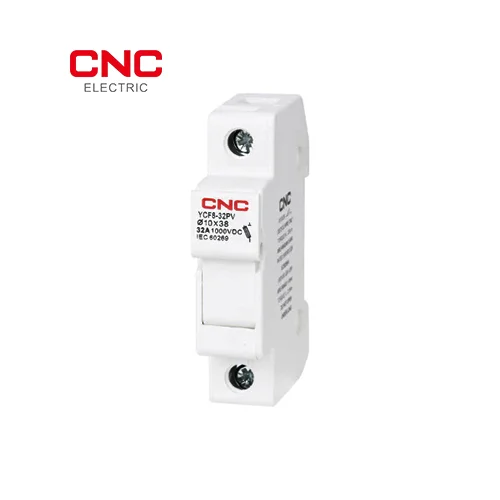
DC 1000V Fuse Holder YCF8 | Reliable Solar
In stock
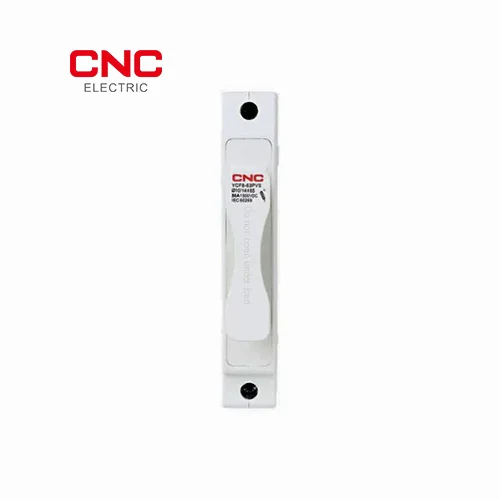
DC 1500V Fuse Holder | Overload & Short Circuit Protection
In stock
DC Fuse 15A, 20A, 32A | 1000V Solar Fuse Holder for PV Systems
In stock
DC Fuse 20A, 32A | 1500V Solar Fuse Holder for PV Systems
In stock


